A kitchen does not need to feel busy to work well. In many modern homes, especially apartments and compact spaces, people are turning toward minimal Japanese kitchen layout solutions because they bring calm into everyday routines. Japanese kitchens are designed around clarity, smooth movement, and visual balance. Every element has a clear role, and nothing exists only to fill space.
In Japanese home design, the kitchen is treated as a place of daily care rather than display. Natural materials, soft lighting, and clean layouts help reduce mental noise while cooking. This philosophy works beautifully in small homes where thoughtful planning matters more than size. When a kitchen feels organized and calm, even simple meals become more enjoyable.
Minimal Japanese kitchen layout solutions are not about removing comfort or warmth. They focus on removing excess so that what remains feels intentional and easy to live with. These ideas explore how Japanese layout principles create kitchens that feel peaceful, efficient, and quietly elegant.
10 Minimal Japanese Kitchen Layout Solutions
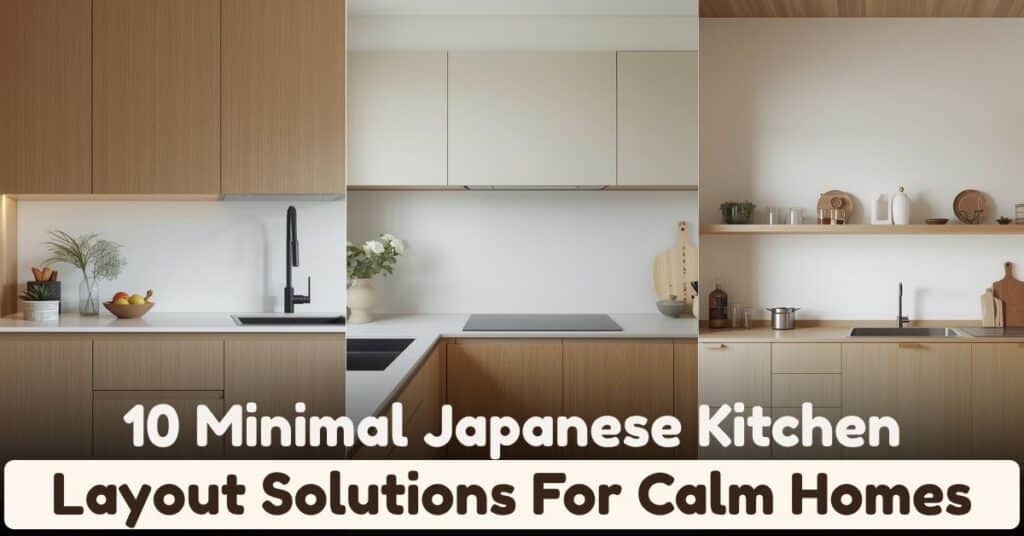
Table of Contents
1. Functional Focal Points That Feel Purposeful
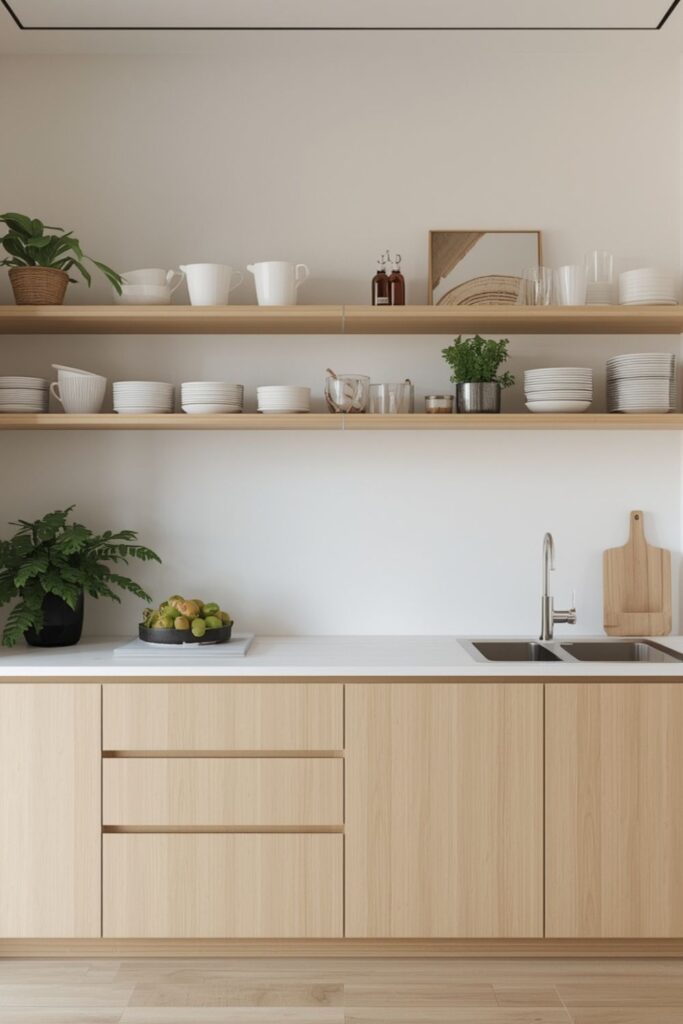
In minimal Japanese kitchen layout solutions, the focal point is never decorative. Instead, it is something functional that naturally draws attention. A clean preparation counter, a simple kitchen island, or a wooden cutting board placed with care becomes the visual center of the space. Because these items are used daily, they feel honest and grounded.
When the focus is functional, the kitchen feels clearer. There is less visual distraction, and movement becomes more intuitive. I have noticed that kitchens with one strong functional anchor feel easier to maintain because there is no pressure to decorate surfaces. This simplicity supports calm cooking routines and keeps the space looking balanced throughout the day.
2. Slim I-Shaped Layouts For Narrow Kitchen Spaces
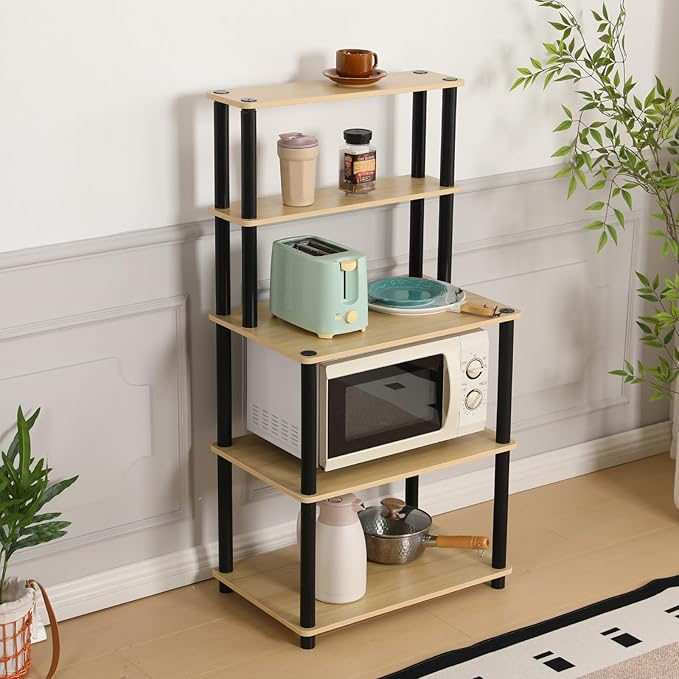
Lukzer 5 Layer Multipurpose Storage Rack – Heavy Duty Metal & Wood Kitchen Organizer | Space Saving Microwave Oven Stand for Modular Kitchen, Living Room, Bedroom & Office (MKR-005 / Black & Oak Light)
Visit the Lukzer Store
⭐ 4.0 (1,177 reviews)
Amazon’s Choice
100+ bought in past month
Price: $56.00 (45 percent savings)
The I shaped kitchen layout is one of the most practical minimal Japanese kitchen layout solutions for narrow homes. Everything is arranged along a single wall, which reduces movement and keeps cooking tasks within easy reach. Washing, chopping, and cooking flow naturally without crossing the space repeatedly.
In smaller kitchens, this layout prevents congestion and visual clutter. Removing upper cabinets on one side allows light to move freely, making the room feel more open. Many Japanese homes use this layout because it supports efficiency without sacrificing calm. It is especially suited for apartments and compact modern homes.
3. Natural Wood That Adds Quiet Warmth
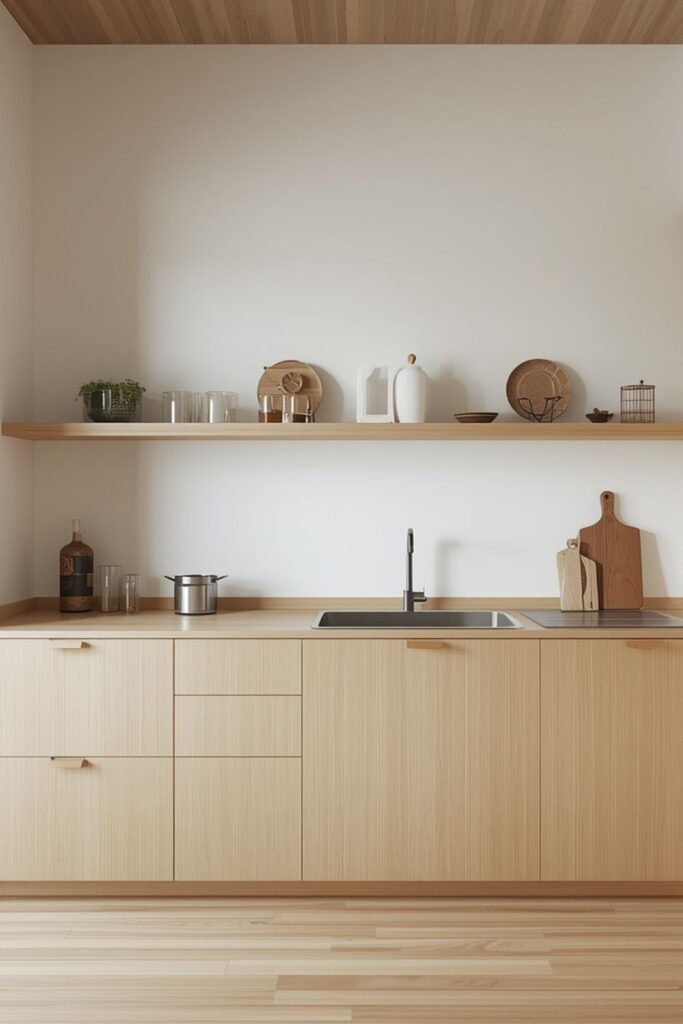
Wood is essential in Japanese kitchens because it softens minimal interiors. Light natural wood tones bring warmth without using strong colours. Cabinets, shelves, flooring, or even small wooden details help the kitchen feel welcoming instead of cold.
In minimal Japanese kitchen layout solutions, wood is chosen for balance rather than decoration. Light oak, ash, or maple pairs beautifully with neutral walls and matte surfaces. Even subtle wooden handles or one open shelf can change the mood of the entire kitchen. Wood connects the space to nature and supports a more relaxed cooking experience.
4. Soft Neutral Colours That Rest The Mind
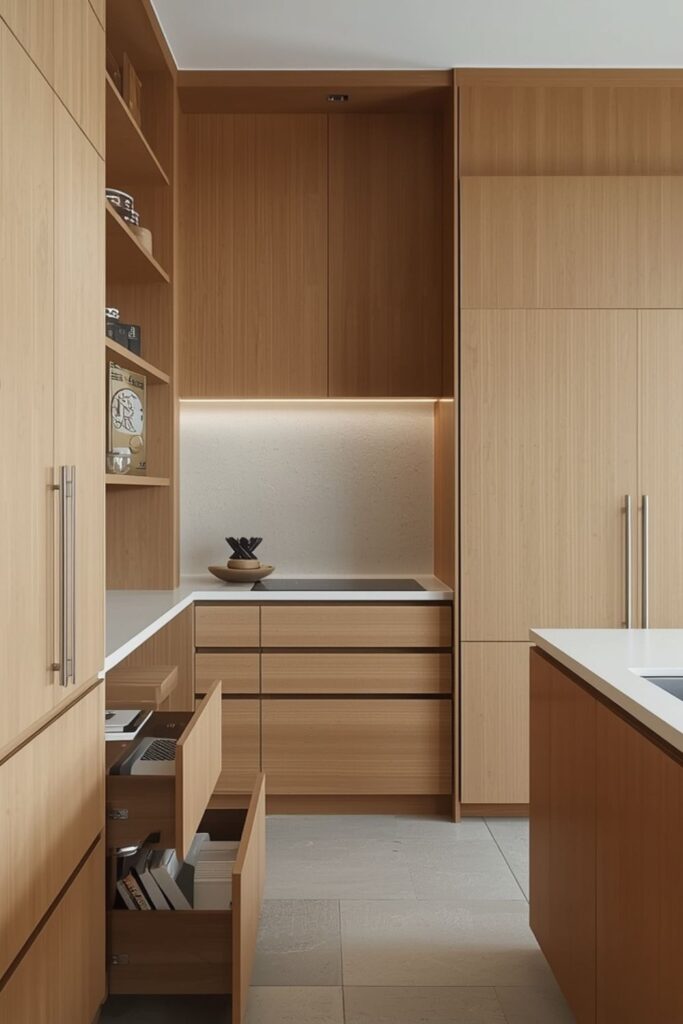
Colour in Japanese kitchens is calm and restrained. Soft white, pale grey, warm beige, and sand tones create a gentle background that allows the eye to relax. These colours reduce visual noise and help natural materials stand out quietly.
Minimal Japanese kitchen layout solutions rely on neutral palettes to make small spaces feel open and breathable. When combined with soft lighting and natural textures, these colours create a kitchen that feels calm from morning to evening. Even during busy cooking times, the space remains visually soothing.
5. Hidden Storage That Keeps Surfaces Clear
Hidden storage is a key part of Japanese kitchen design. Deep drawers, integrated cabinets, and sliding pantry units keep everyday items out of sight while remaining easy to access. This approach allows the kitchen to look tidy even when it is used often.
Flat cabinet fronts and seamless panels are common because they create visual continuity. When storage blends into the structure of the kitchen, the space feels quieter and more organized. Minimal Japanese kitchen layout solutions prioritize mental clarity by reducing what the eye has to process.
6. Modular Units That Support Flexible Living
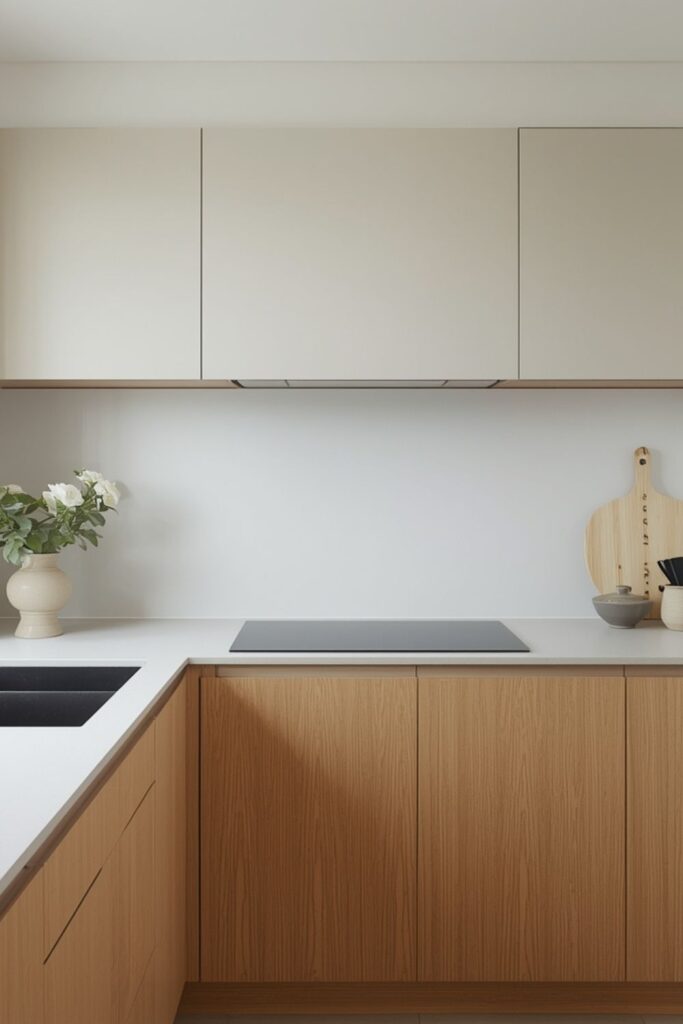
Modular kitchen elements allow the space to adapt over time. Movable carts, stackable storage, and flexible units support changing needs without adding clutter. This is especially useful in small kitchens where one area may serve multiple purposes.
Japanese kitchens value adaptability. Modular solutions allow homeowners to adjust layouts without permanent changes. This keeps the kitchen practical while preserving simplicity. In minimal Japanese kitchen layout solutions, flexibility is part of long-term comfort.
7. Compact Sink And Counter Placement
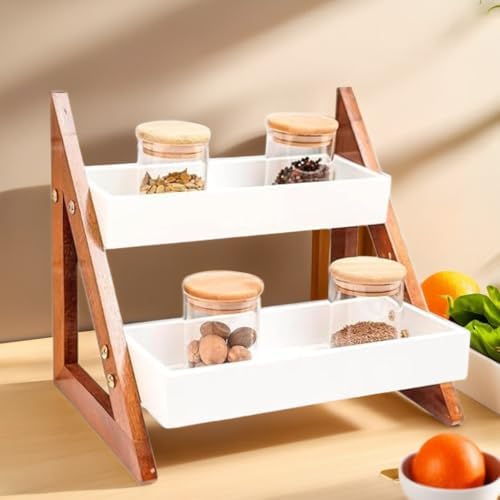
SAFAK Wooden Multipurpose Kitchen Organizer Stand Shelf Holder Storage Rack for Spices, Jars, Utensils, Dishes & Plates | Counter Top Organizer (White, Minimalist, Free Standing, Corner Shelf)
Visit the SAFAK Store
⭐ 4.4 (461 reviews)
Amazon’s Choice
300+ bought in past month
Price: $6.00 (67 percent savings)
Efficient placement of sinks and counters is central to Japanese kitchen layouts. Keeping preparation, washing, and cooking zones close together reduces unnecessary movement and makes daily tasks easier.
Compact arrangements also help keep countertops clear. When tools and ingredients are within reach, surfaces stay uncluttered. This improves both functionality and appearance. Minimal Japanese kitchen layout solutions focus on smooth workflows that feel natural rather than forced.
8. Minimal Hardware For A Seamless Look
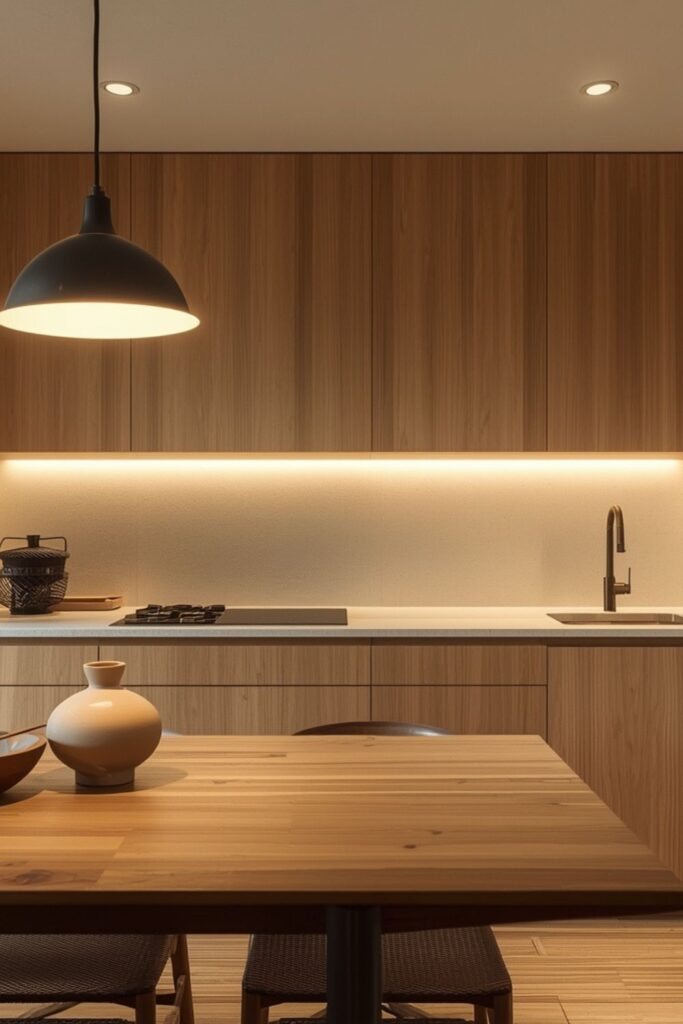
Japanese kitchens often use handleless cabinets or very subtle hardware. This keeps surfaces smooth and uninterrupted, allowing the overall form of the kitchen to feel unified. Hardware exists only where it is truly needed.
This approach helps small kitchens feel larger because there are fewer visual breaks. Cabinets blend into walls, creating a calm continuous surface. In minimal Japanese kitchen layout solutions, simplicity in details supports a sense of quiet order.
9. Soft Lighting That Shapes Daily Rhythm
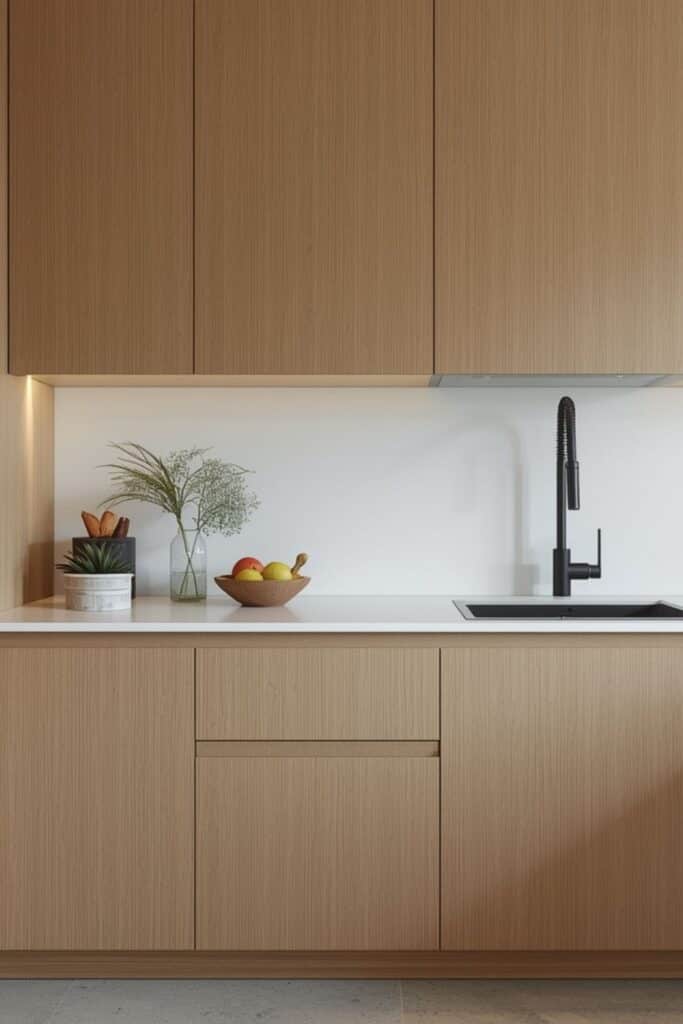
Lighting in Japanese kitchens is gentle and layered. Warm under cabinet lighting, simple pendant lights, or low profile ceiling fixtures provide enough brightness without harsh glare. Natural daylight is always prioritized where possible.
Soft lighting enhances wood textures and neutral colours. It supports relaxed cooking and makes evenings feel slower and more comfortable. In Japanese design, lighting shapes mood rather than demanding attention.
10. Floating Shelves That Feel Light And Intentional
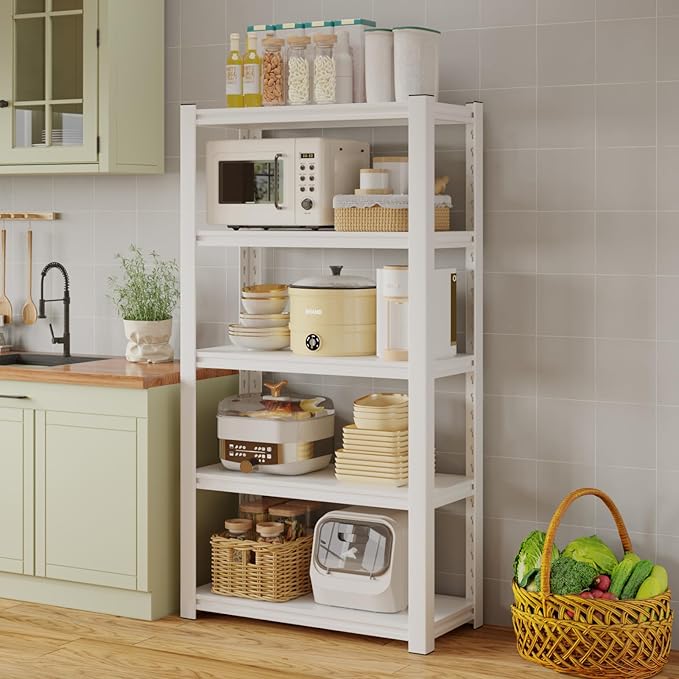
HOME CUBE 5 Layer Metal Storage Rack with Adjustable Boltless Shelf | Display Rack Kitchen Storage Rack | Multipurpose Stand for Oven, Office, Garage, Shops & Salon | Space Saving Storage Organizer
Visit the HOME CUBE Store
⭐ 4.1 (142 reviews)
Amazon’s Choice
50+ bought in past month
Limited time deal
Price: $48.00 (60 percent savings)
Floating shelves offer storage without heaviness. They provide structure while allowing the eye to move freely across the wall. This makes them ideal for small kitchens where full upper cabinets may feel overwhelming.
In minimal Japanese kitchen layout solutions, open shelving encourages mindful organization. Only frequently used or meaningful items remain visible. This keeps the kitchen light, balanced, and easy to maintain.
FAQs: 10 Minimal Japanese Kitchen Layout Solutions
Q1. What is the best layout for a small Japanese kitchen
An I shaped layout works especially well in small Japanese kitchens because it keeps all tasks aligned along one wall. This reduces movement, saves space, and supports a calm cooking flow.
Q2. How do Japanese kitchens stay clutter free
Japanese kitchens rely on hidden storage, modular units, and clean surfaces. Everyday items are kept accessible but out of sight, which helps maintain visual calm even during daily use.
Q3. Which materials add warmth to a minimal Japanese kitchen
Light natural wood, stone textures, and soft matte finishes add warmth without using bold colours. These materials balance minimal design with comfort.
Q4. What lighting suits minimal Japanese kitchen layouts
Soft warm lighting, under cabinet lights, and natural daylight create a gentle atmosphere that supports relaxed cooking and slow daily routines.
Explore More In Our Best Ideas
If you enjoyed learning about minimal Japanese kitchen layout solutions, you may also like exploring these related design ideas from our collection:
• Japandi style home office ideas for calm productivity
• Wabi Sabi home design living room inspiration
• Minimalist modern living room layout ideas
• Small balcony makeover ideas with plants and soft decor
• Indoor plant lighting ideas for peaceful homes
Conclusion
Minimal Japanese kitchen layout solutions focus on balance, efficiency, and visual calm. By using natural materials, thoughtful storage, and clean layouts, these kitchens support everyday life without unnecessary distraction. The space feels easier to work in and more comfortable to return to.
When kitchens embrace Japanese minimal design, daily routines slow down naturally. Cooking feels lighter, cleaning feels manageable, and the overall atmosphere supports calm living. With simplicity at the center, Japanese kitchen layouts remain timeless, practical, and deeply soothing.